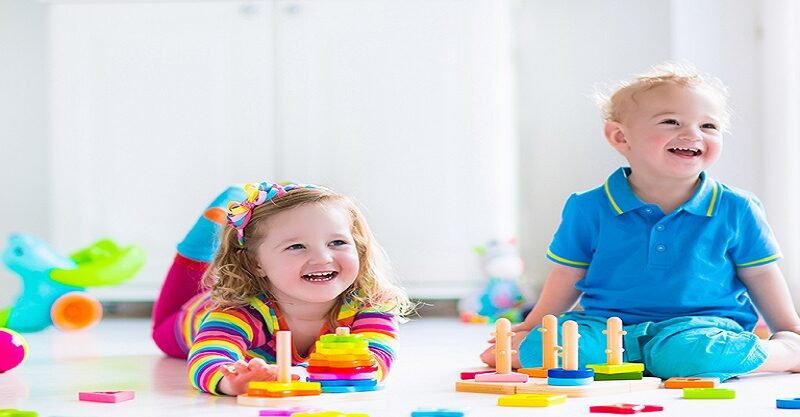
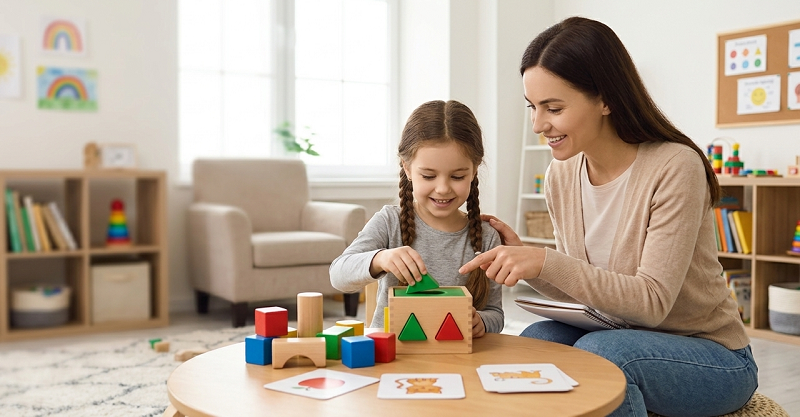
Sensory processing involves how the nervous system receives messages from the senses and turns them into appropriate motor and behavioral responses. For children who experience sensory processing challenges, playtime can be an opportunity for learning, growth, and comfort. We’ll delve into the importance of sensory play and introduce you to a variety of toys specially crafted to engage and support children with sensory processing differences.
Understanding Sensory Processing: Before delving into the toys, let’s take a moment to understand sensory processing and its significance. Sensory processing involves taking in sensory information from the environment, organizing it within the brain, and responding appropriately. For some children, this process may be disrupted, leading to sensory sensitivities or seeking behaviors. Sensory play can help regulate these responses, allowing children to explore, learn, and develop at their own pace.
The Importance of Sensory Play: Sensory play isn’t just fun—it’s crucial for children’s development. Through sensory experiences, children learn about their bodies, surroundings, and how to interact with the world. Sensory play can improve fine and gross motor skills, promote language development, enhance problem-solving abilities, and foster emotional regulation. By providing children with opportunities for sensory exploration, we empower them to better understand and navigate their sensory experiences.
Exploring Toys for Sensory Processing: Let’s now explore a selection of toys specifically designed to engage children with sensory processing differences:
- Fidget Toys: These come in various shapes, textures, and sizes, providing tactile stimulation and promoting focus and calmness. Examples include squishy balls, textured sensory rings, and kinetic sand.
- Sensory Balls: Designed with different textures, colors, and patterns to stimulate the senses, these can be squeezed, rolled, or bounced, offering tactile and proprioceptive input.
- Sensory Blocks: Featuring diverse textures, shapes, and colors, these encourage exploration and creativity while enhancing fine motor skills and hand-eye coordination.
- Weighted Blankets: Providing deep pressure stimulation, these promote relaxation and reduce anxiety, particularly benefiting children who seek sensory input to feel grounded and secure.
- Auditory Toys: Toys that produce soothing sounds or music can help children regulate their auditory senses. Examples include rainmaker toys, musical instruments, or calming sound machines.
- Visual Stimulation Toys: Bright colors, flashing lights, or captivating visual patterns engage children’s visual senses and promote visual tracking skills.
Incorporating sensory play into a child’s routine can have profound benefits for their development and well-being. By offering a variety of sensory toys and experiences, we can support children with sensory processing differences in exploring and understanding their sensory world. Whether it’s through tactile exploration, auditory stimulation, or visual engagement, each sensory experience contributes to a child’s growth and self-discovery. Let’s continue to nurture sensory play and create inclusive environments where every child can thrive.