Understanding Behavioral Therapies for Children with Behavioral Problems
Childhood behavioral, emotional, and mental health issues can lead to long-term issues that can impact children’s health and well-being as well as those of their families and communities. Early mental health treatment can help kids experience less difficulties at home, at school, and while making friends. Additionally, it helps support a healthy transition into adulthood.
In order to promote children’s mental health and help them acquire useful coping and behavioral techniques, this article examines behavior therapy for children, its contemporary interpretations, and its effectiveness in dealing with toddlers, young and older children.
What is Behavioral Therapy?
Behavior therapy includes several approaches and methods utilized to modify an individual’s atypical responses to certain circumstances. Behavioral therapists urge kids and teenagers to attempt new behaviors, praise positive behaviors, and reduce unpleasant habits, even if their approaches might differ greatly from disorder to disorder. Parents, teachers, and other significant adults in the child’s life must frequently commit to the therapeutic process.
Child behavioral experts play a critical role in helping parents and kids navigate this process, pinpointing the underlying reasons of behavioral issues, and putting into practice workable plans for constructive behavior modification.
Does your child need Behavioral Therapy?
It can be challenging for parents to distinguish between typical and aberrant conduct. They should be aware of these warning signals and the ways that behavioral treatment might be beneficial.
Some of the warning signs include:
- Academic Struggles: If your child struggles to focus, finish assignments, or behave well around classmates and teachers,
- Developmental Milestone Regression: An abrupt regression in developmental milestones like language, motor abilities, or toileting might be a cause for concern.
- Family Stress: If your child’s misbehavior is creating stress in the family.
- Social Difficulties: Behavioral therapy may be necessary if you struggle to form and keep
- friendships, retreat socially, or have communication problems.
- Emotional Distress: If a youngster exhibits excessive melancholy, worry, or mood swings
- frequently, it may be a sign of emotional distress.
- Sleep Problems: Chronic sleep disorders, such insomnia or nightmares, may be signs of underlying behavioral problems.
- Persistent behavioral challenges: Refers to those challenges that affect day-to-day functioning and involve recurring displays of difficult behaviors including hostility, resistance, or impulsivity.
- Displaying no traces of empathy
- Committing self-harm
Types of Behavioral Therapy
Behavioral treatment comes in a variety of forms. Numerous variables, such as the condition that is being treated and the intensity of the patient’s symptoms, could affect the kind of therapy that is adopted.
- Cognitive Behavioral Therapy
With the use of cognitive behavioral therapy (CBT), parents and kids can better comprehend and manage the challenges that a child is facing. Therapists provide coping skills training to kids, teenagers, and their parents so they can handle challenging circumstances. Cognitive behavioral therapy (CBT) consists of two parts: behavioral training, which teaches a kid how to control how they react to situations, and cognitive training, which helps a child alter how they see situations.
- Cognitive behavioral play therapy
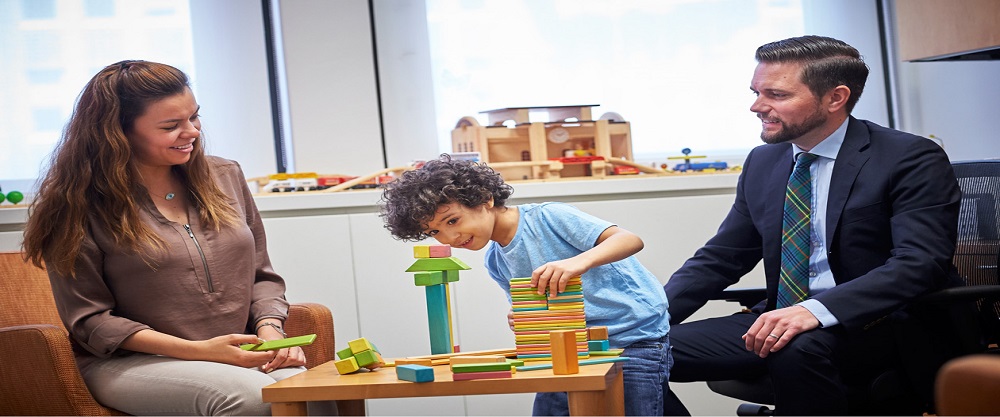
Children with mental health issues are frequently treated using cognitive behavioral play therapy. A therapist might learn about a child’s inability or discomfort in expressing themselves by observing them as they play.
- Dialectical behavioral therapy (DBT)
DBT, or dialectical behavior therapy, works particularly well for those who struggle with emotional regulation and control. Many mental health conditions, such as borderline personality disorder (BPD), self-harm, suicidal behavior, post-traumatic stress disorder (PTSD), substance use disorder, eating disorders, particularly bulimia and binge eating disorder, depression, anxiety, etc., have been shown to be effectively treated and managed by DBT.
- Acceptance and commitment therapy (ACT)
Clinical psychologists use behavioral analysis as part of an approach to psychotherapy known as Acceptance and Commitment Therapy (ACT). In order to increase psychological flexibility, individuals who practice acceptance and mindfulness are taught acceptance practices. Moreover, behavior modification techniques and commitment are applied.
Behavior Therapy Techniques
Giving exposure: In an effort to identify the triggers for the undesirable behavior, this entails exposing the kid to the objects or circumstances that cause it.
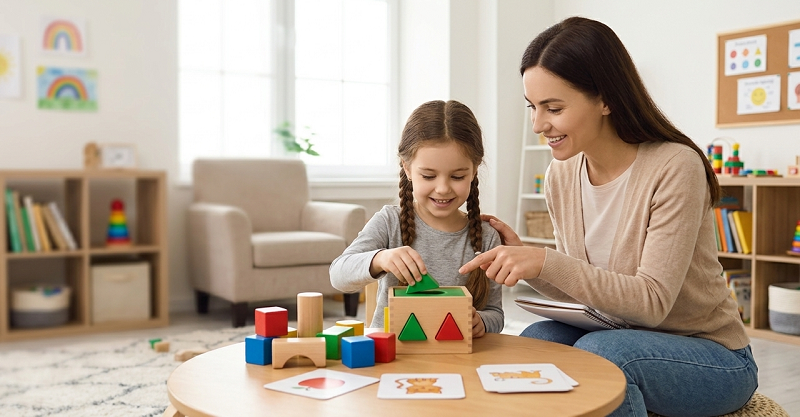
Games and Toys: Children may address problems and determine the best solutions via role-playing, crafts, dolls, and puppets. The best part is that it’s a smart strategy to maintain their attention.
Reorganization: A youngster may replace a negative thinking with a more positive one by learning to recognize when they are experiencing one.
Modeling: A therapist will model appropriate conduct by acting out an example and asking the kid to imitate it or provide further examples.
Systematic desensitization: A procedure that assists you to become less vulnerable to particular stimuli. It makes extensive use of classical conditioning, a kind of instinctive and unconscious learning that shapes behavior. It’s frequently applied to the management of phobias.
Conditions for Which Behavioral Therapy Is Useful
Many different psychological medical conditions can be treated using behavioral therapy, such as:
- Anger Management
- Bipolar disorder
- Obsessive-compulsive disorder (OCD)
- Eating disorders
- Anxiety
- Autism spectrum disorders
- Borderline personality disorder (BPD)
- Depression
- Panic disorder
- Stress Management
- Alcohol and substance use disorders
- Phobias
- Attention-deficit/hyperactivity disorder (ADHD)
Behavior Therapy in Schools
Students who participate in school-based cognitive behavioral therapy programs gain skills in problem-solving, emotion regulation, and the establishment of constructive thinking and behavior patterns. When working with kids in individual or group settings, trained school personnel (such as school mental health professionals, trained teachers, and nurses) or outside mental health experts (such as social workers and non-school psychologists) employ the therapeutic procedures described in an intervention protocol.
Dr.Beema Clinic is the best behavior therapy Centre for kids situated in the heart of Muvattupuzha, Kerala. We can provide you with thorough and compassionate assistance in helping your child overcome their behavioral problems through individualized behavior therapy. By using these innovative and helpful methods, our behavior therapists may develop therapies that are enjoyable, successful, and assist children’s mental wellness and improve their coping mechanisms.
How to Get Started
Dr.Beema Clinic for Child Development is the place to go if your kid has behavioral or conduct difficulties and needs caring, knowledgeable treatment. Our experienced staff is dedicated to ensuring the best possible mental health for kids and teenagers by offering individualized evaluations, diagnoses, and therapies.
Even though your child’s path may present obstacles, they may acquire the necessary skills and coping mechanisms for a better future with our expert advice and continuous support.
For further assistance, get in touch with Dr.Beema Clinic right now.